How Pelvic Floor Exercises Make A Difference
For many men, the most confronting part of prostate cancer treatment is not the operation or radiation itself. It is what happens afterwards. Bladder leaks, rushing to the toilet, or needing to plan every outing around bathroom access can feel frustrating, embarrassing and exhausting.
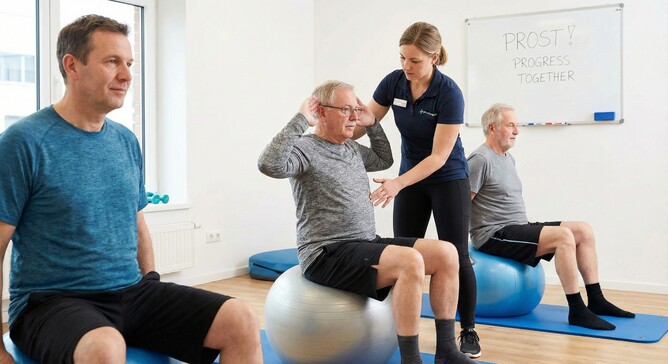
The encouraging news is that continence can often improve. With the right guidance and consistent effort, many men reduce leakage and regain confidence in everyday life. Pelvic floor muscle training sits at the centre of that process, especially when exercises are taught and supervised by qualified health professionals such as those who conduct training sessions at Prost!
This article focuses on continence, pelvic floor muscle training and how supervised exercise can help men after surgery or radiation.
Why Bladder Control Changes After Prostate Cancer
The prostate gland sits just below the bladder and wraps around the urethra, the tube that carries urine out of the body. When the prostate is removed or treated, the structures that help keep urine in can be disrupted.
After prostate cancer surgery or radiation, men commonly experience:
Stress incontinence, where leakage occurs with coughing, sneezing, laughing, lifting or sudden movements
Urge incontinence, when there is a sudden, strong need to pass urine that is difficult to control
Dribbling after finishing at the toilet
Increased frequency, including getting up several times a night
These symptoms are very common, yet they can feel isolating. Men may reduce social outings, cut back on sport and exercise, or feel anxious about travelling far from home. Bladder control is not only a physical issue - it affects confidence, mood and relationships.
Getting To Know Your Pelvic Floor
The pelvic floor is a group of muscles and connective tissue that forms a supportive sling at the base of the pelvis. In men, these muscles:
Support the bladder and bowel
Help control the release of urine, wind and stool
Work with the deep abdominal and back muscles to stabilise the spine and pelvis
Play a role in sexual function
When the pelvic floor contracts, it tightens around the urethra and helps keep urine in. After prostate surgery, an internal sphincter that once assisted continence may be weakened or removed, so the pelvic floor becomes even more important.
The positive message is that muscles can be trained. With regular, targeted work, the pelvic floor can become stronger, more responsive and better coordinated.
How Pelvic Floor Exercises Improve Continence
Pelvic floor muscle training is essentially strength and coordination training for the muscles that support bladder control. When performed correctly and consistently, pelvic floor exercises can:
Increase strength, so the muscles close more firmly around the urethra
Improve timing, so the muscles activate quickly when needed, such as before a cough or lift
Build endurance, so they keep working for longer periods without fatiguing
For many men, the issue is not just weakness. It is also that the muscles are not contracting at the right time. Pelvic floor training helps the body relearn this automatic response.
What Effective Pelvic Floor Training Looks Like
Pelvic floor exercises are often called Kegel exercises, but there is more to them than simply squeezing. Effective training usually includes:
Correct Technique
The first step is finding the right muscles. A useful cue is to imagine stopping the flow of urine and wind at the same time. Many men initially tense the buttocks, thighs or stomach instead of the pelvic floor. Others hold their breath, which increases pressure on the bladder.
Learning to gently squeeze and lift the pelvic floor while breathing normally is crucial. This often requires guidance from a physiotherapist or exercise physiologist experienced in male pelvic health.
A Mix Of Short And Long Holds
A good program usually combines:
Longer holds, for example gently squeezing and lifting for up to 10 seconds, then relaxing completely
Short, quick squeezes that train the muscles to respond rapidly to sudden pressure
Both types are important. Longer holds build endurance, while short squeezes help with those moments when a cough or laugh arrives without warning.
Regular Practice
Like any strength training, pelvic floor work needs regular practice. Most men are encouraged to complete several sets each day, over many weeks to months. Progress may feel slow at times, but small improvements accumulate.
Progression Into Daily Movement
As control improves, pelvic floor activation is gradually incorporated into everyday tasks. This may include gently tightening the pelvic floor before standing up, lifting, walking briskly or doing light resistance exercises. The aim is for the muscles to start switching on automatically during normal life.
Why Supervised Exercise Makes Such A Difference
Some men are given a sheet of exercises after surgery and left to practise at home. While this is a starting point, it is easy to feel unsure about technique or to lose motivation if change is not immediate. Supervised exercise offers several advantages.
Accurate Assessment And Technique
A qualified professional can assess how well you are activating the pelvic floor, check your breathing pattern and identify any compensations, such as bracing the stomach or clenching the buttocks. Small adjustments in posture and effort can significantly improve results.
Evidence Based Programming
Supervised programs do not focus on the pelvic floor in isolation. They usually combine:
Pelvic floor activation
General strengthening for legs, hips and core
Cardiovascular exercise such as walking or cycling
Balance and flexibility work
This whole body approach supports continence, weight management, heart health and overall wellbeing, which are all important after prostate cancer treatment.
Safe Return To Activity
After surgery or radiation, there can be limitations on lifting, impact and intensity, particularly in the early stages. Exercise physiologists and physiotherapists understand these guidelines and can tailor sessions to your stage of recovery, helping you return to activity safely and steadily.
Routine, Accountability And Support
Attending regular supervised sessions creates structure and builds routine. You are less likely to skip your exercises and more likely to stay committed when you know others are expecting you.
Being in a group of men with similar experiences also makes a real difference. It becomes easier to talk honestly about bladder issues, listen to others, share strategies and celebrate progress. Many men report that their confidence grows alongside their physical improvements.
What A Supervised Session Might Include
While each program is tailored to individual needs, a typical continence focused session might include:
A warm up with gentle mobility exercises for hips, back and shoulders
Guided pelvic floor activation in lying or sitting, focusing on correct technique and full relaxation between contractions
Functional pelvic floor training, such as activating the muscles before standing up, stepping, lifting light weights or performing controlled squats
Whole body strengthening and balance exercises to support everyday activities such as walking, stairs and household tasks
A cool down with stretching and breathing exercises to release tension and encourage relaxation
Over time, the exercises are progressed as strength and confidence increase.
Setting Realistic Expectations
Every man’s journey is different. Some notice improvements within a few weeks, while others take several months. It is normal to have good days and more challenging days.
The key is consistency. Regular pelvic floor practice, combined with supervised exercise and support, gives you the best chance of:
Fewer leaks with coughing, sneezing or lifting
Better control when you feel the urge to pass urine
Reduced reliance on continence pads
Greater confidence to return to work, hobbies and social activities
Rebuilding Confidence, Not Just Bladder Control
Regaining bladder control is about far more than staying dry. It is about reclaiming independence and enjoying life again. Being able to walk, travel, exercise and socialise without constant worry about leakage is profoundly liberating.
By combining pelvic floor muscle training with supervised, evidence based exercise and a supportive community, men can take practical, positive steps towards better continence and better quality of life.
If you are living with bladder leaks after prostate cancer treatment, you are not alone and there is help available. Seeking support is not a sign of weakness. It is a proactive step towards healing, strength and confidence in the next chapter of your life. Contact us today to start your journey to a better self with Prost!